Buying Guides · 6 min read · November 22, 2026
Bath Mat Absorbency and Drying: Compare Samples for the Real Changeover
Compare bath mat absorbency and drying as separate buying questions. Record complete construction, care method and sample conditions before approving a range.
Ask two questions instead of using one headline claim
Bath mat absorbency and drying describe different parts of the use cycle. Ask how the selected mat takes up water, then how it is prepared for the next use under the approved care instructions. Compare finished samples with a recorded method rather than treating an absorbent-fibre description as a measured drying time for the complete mat.
A hotel buyer needs to know when a mat can return to service; a retailer also needs a care statement customers can follow. Neither question is answered by a photograph of water on the face. Begin with the intended use, cleaning resources and changeover requirement. This guide provides a sample-comparison brief, not a laboratory standard, a hygiene claim or a published result for a particular product.
Identify the full construction and the claim being compared
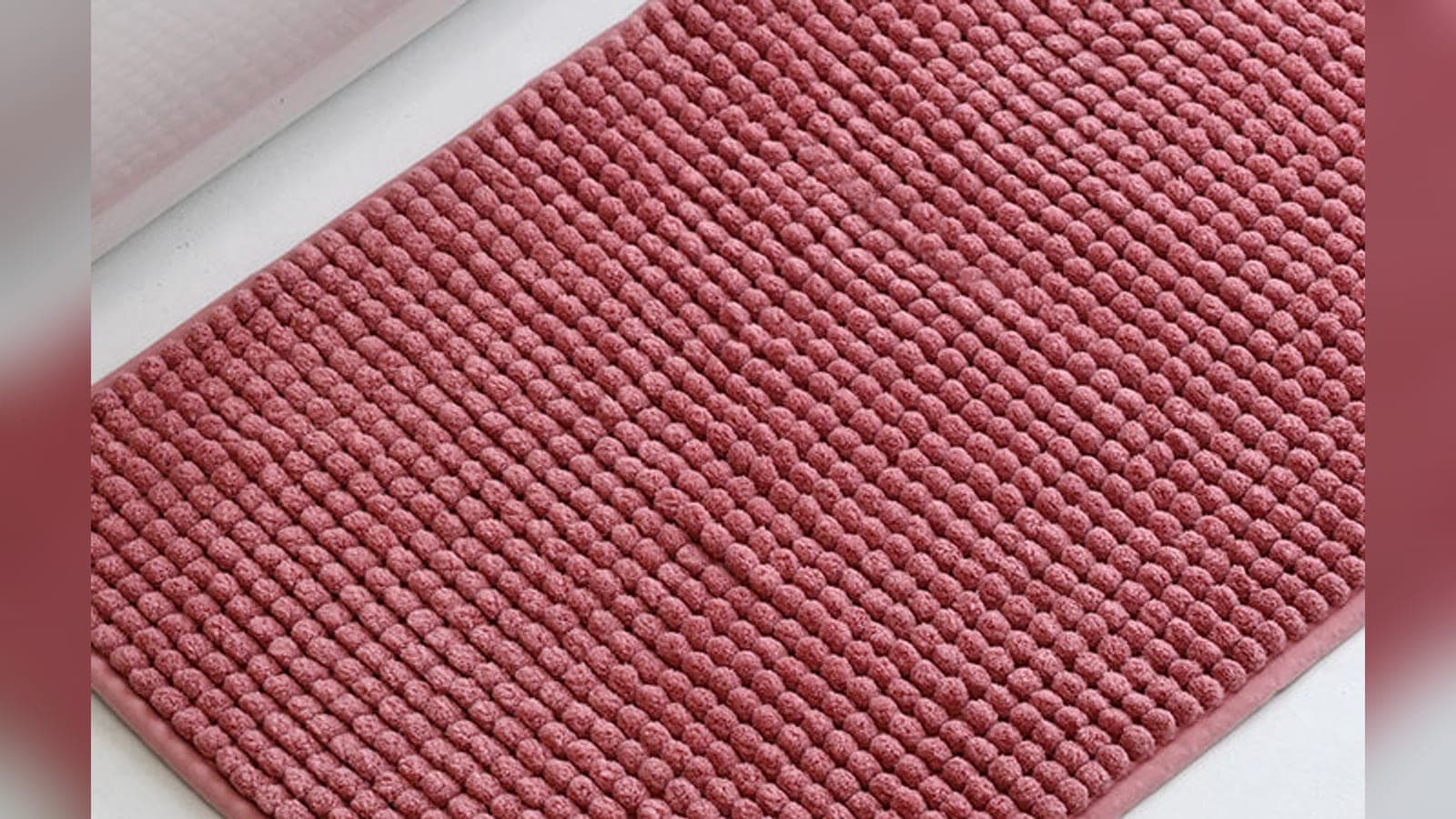
The product reference describes microfibre bath mats with a TPR backing. Record the actual face, backing, finished size and edge treatment for every proposed sample, and ask for the corresponding care sheet. A construction name is the beginning of the brief, not proof that every mat sharing that name performs identically.
If an absorbency ratio is supplied, ask what was weighed, how water was applied and how the result was recorded. A fibre-based statement and a whole-mat result may use different reference quantities. If a drying time is supplied, ask for the starting condition and environment as well. Keep those definitions beside the hotel and retail bath-mat specification, so a later claim comparison does not silently switch its basis.
Keep the comparison conditions visible
| Question | Record before comparing | What the observation does not prove |
|---|---|---|
| Water uptake | Sample identity and agreed water application | A universal absorbency rating |
| Drying | Starting condition, location and method | A drying time for every room |
| Cleaning | Approved care process used | Compatibility with other wash programmes |
| Placement | Intended floor and complete mat position | Suitability for every floor finish |
| Reuse | Agreed condition check | A hygiene or disinfection result |
Run samples under the same agreed setup and keep raw observations. If one is tested after cleaning while another starts unused, identify that difference instead of ranking them as equivalent trials. Where a formal performance claim is needed, ask for suitable evidence identifying the selected construction rather than presenting a simple buyer trial as certified testing.
Trial the actual cleaning and changeover routine
Ask the intended user to follow the agreed care instruction, then inspect the complete mat before returning it to the planned position. Record the face, backing, edges and how the mat lies. Keep the floor condition and placement in the record; a water-handling observation should not become a blanket slip-prevention promise.
For gym and pool changing-room bath mats, add the service team’s collection, preparation and replacement arrangements. For retail, test whether the care statement is clear enough to follow without the supplier standing beside the customer. The practical question is whether the selected mat and the approved routine work together. Do not improvise heat, chemical treatment or a different drying programme to make an unconfirmed claim appear true.
Use a changeover problem to define the missing decision
A planning example: a sample meets the agreed water-uptake observation, but the operator has no place to carry out the approved drying method. The missing decision is the preparation and spare-stock arrangement. Ask whether the routine or product selection must change, then repeat the relevant comparison. This example is not a reported hotel case or a measured drying result.
If a claim such as “quick-drying” is proposed for packaging, agree what evidence supports it for that construction and use. Do not turn the buyer’s informal impression into a universal time promise. Record the wording actually approved alongside the bath-mat application brief, so a broader use suggestion does not silently extend the performance claim.
Send the supplier a defined sample-comparison brief
Send the intended market and use, finished size, construction preference, quantity and care resources. Ask for representative samples, the exact face and backing, care instructions, and supporting information for any absorbency or drying statement. Agree who records observations, who approves wording and who authorises the physical sample for production. Confirm MOQ, sampling time and delivery for the chosen order.
Keep the accepted sample, care sheet and claim wording together in the sample approval file for custom mats. If the face, backing, size or care method changes in a reorder, review the comparison rather than carrying forward an old conclusion automatically. A repeated colour or product name does not establish an unchanged finished mat.
This article is general industry guidance. For advice on a specific project, contact our team.
Related products