Motorcycle Mats · 6 min read · October 16, 2026
Motorcycle Mat Materials: Nylon and Rubber vs Nylon and TPR vs Polyester and PVC
Every motorcycle mat looks similar in a photo. The difference is under the surface: the face fibre, the backing and the edge. Here's how the three common motorcycle mat constructions compare, and which one suits a dealership, a retail range or a promotion.
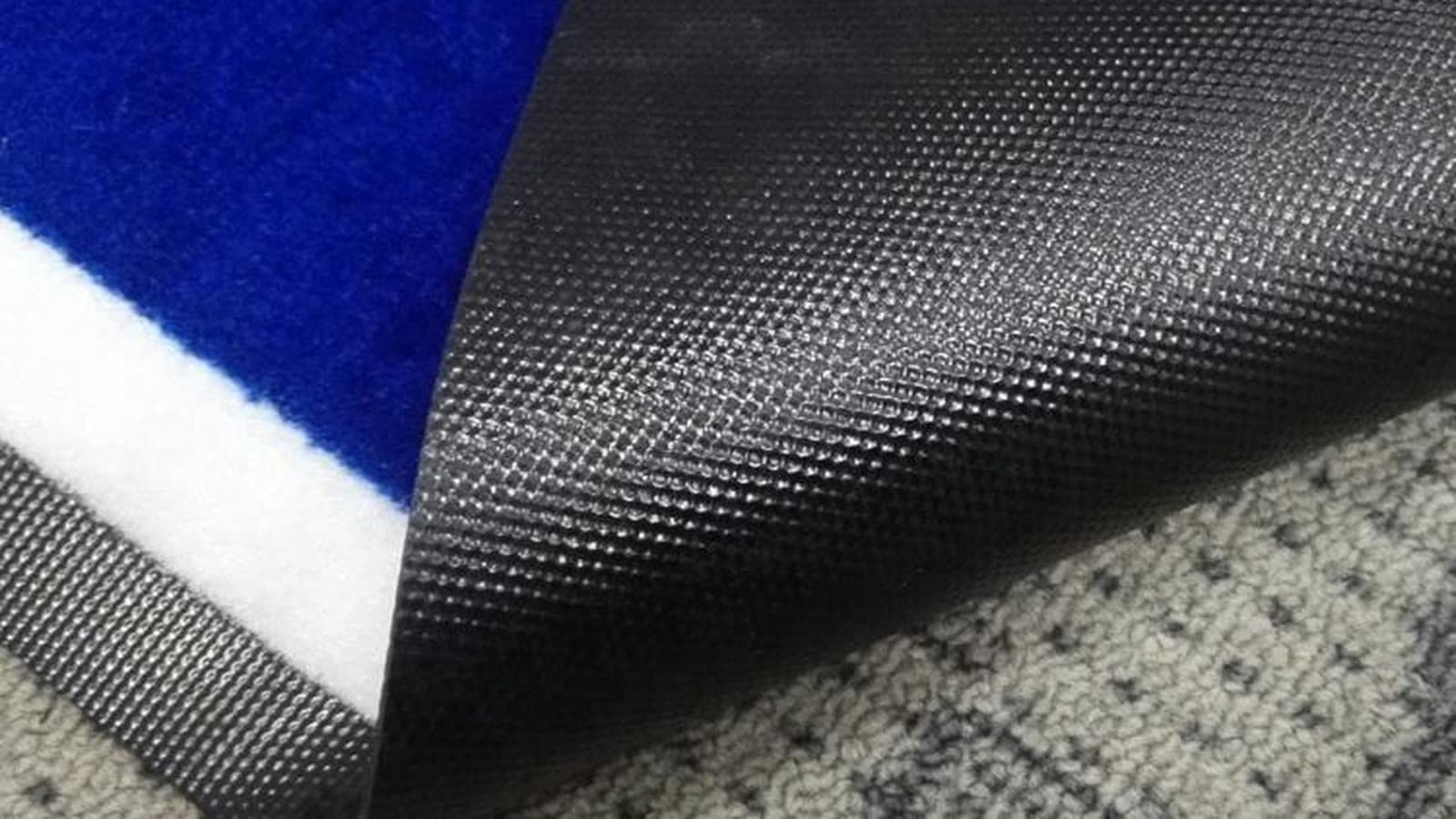
Put three motorcycle mats side by side in a photo and they look almost the same: a printed rectangle under a bike. Pick them up and the difference is obvious. One is heavy and lies flat like a rubber floor. One is lighter and rolls up easily. One costs a fraction of the others and is made for a single season of use.
This guide is for motorcycle dealers, accessory retailers, clubs and brands choosing a motorcycle mat construction for a range or a project. It compares the three constructions we make and explains which one fits which job.
The short answer
Choose nylon and rubber for the heaviest, most premium motorcycle mat, suited to race teams, workshops and flagship retail. Choose nylon and TPR for the best balance of performance and price, which makes it the most popular construction for garages and retail ranges. Choose polyester and PVC for the most economical mat, suited to promotions and price-led ranges.
Nylon and rubber: the heavy-duty motorcycle mat
Our heaviest motorcycle mat, MC2450K, pairs a 420gsm nylon face with a 2000gsm rubber backing and a rubber edge. The weight is the point: the mat lies flat, stays put when a bike is wheeled on and off, and the rubber edge protects the face where boots and tyres hit it most.
This is the construction for race and track use, busy workshops and premium retail lines where the mat sells on how it feels in the hand. It's also the most expensive and the heaviest to ship, so it rarely makes sense for giveaways.
Nylon and TPR: the popular all-rounder
MC2400K uses a 350gsm nylon face on a 900gsm TPR backing with a stitched edge. It keeps the nylon face that absorbs oil drips and cleans easily, but the TPR backing is much lighter than solid rubber, which brings down the price and the freight cost.
Nylon and TPR is our most popular construction for home garages and retail ranges. For most dealers and accessory shops selling motorcycle mats to riders, it's the one to start with.
Polyester and PVC: the economical motorcycle mat
A polyester face on a PVC backing is the most economical construction. It keeps the unit price low, which suits event giveaways, club promotions and entry-level retail. It isn't the choice for a workshop floor that sees heavy daily use; for that, step up to nylon.
The three motorcycle mat constructions at a glance
These are the differences a buyer notices:
- Weight and feel: nylon and rubber is the heaviest and flattest; nylon and TPR is lighter; polyester and PVC is the lightest.
- Edge: MC2450K has a rubber edge; MC2400K has a stitched edge.
- Best use: nylon and rubber for race teams, workshops and premium retail; nylon and TPR for garages and retail ranges; polyester and PVC for promotions and price-led ranges.
- Cost: polyester and PVC is the most economical, nylon and rubber the most expensive, with nylon and TPR in between.
What all three share
Every construction protects the floor from oil leaks and dropped tools, has a non-slip backing, cleans easily and gives a workshop or showroom a tidier, more professional look. The nylon constructions are UV-stable and resist fading, so a mat in a showroom window keeps its colours.
Standard sizes are 80×200 cm, 100×200 cm and 100×220 cm, and custom sizes are available. Our motorcycle mat size guide helps match the size to the bike, and our article on what makes a motorcycle pit mat oil-resistant explains how the face handles drips.
How to choose for your range
If you sell to riders, start with nylon and TPR in two sizes and add a nylon and rubber premium option once the range is selling. If you're buying for a race team or workshop, go straight to nylon and rubber. If the mats are giveaways at an event or a club rally, polyester and PVC keeps the budget under control. Our guide to custom motorcycle mats for dealers, clubs and events covers printing logos and artwork.
How to order
Send the construction, sizes, quantities and artwork. Every design is confirmed on a free digital proof before production; stock items typically ship in 7–15 days and custom orders in 20–30 days. See the motorcycle parking and display mat, the full motorcycle mat range, or send us your brief.
FAQ
What is the best material for a motorcycle mat? Nylon and rubber is the heaviest and most premium; nylon and TPR is the most popular balance of performance and price; polyester and PVC is the most economical.
What sizes do motorcycle mats come in? Standard sizes are 80×200 cm, 100×200 cm and 100×220 cm, and custom sizes are available.
Are motorcycle mats oil-resistant? Yes. All three constructions protect the floor from oil leaks and dropped tools and clean easily.
Will a printed motorcycle mat fade? The nylon constructions are UV-stable and resist fading.
This article is general industry guidance. For advice on a specific project, contact our team.
Related products