
Buying Guides · 6 min read · November 19, 2026
Bar Mat Cleaning and Care: Build a Routine That Matches the Product
Plan bar mat cleaning around the confirmed construction and care sheet. Check cleaning methods, drying, replacement stock and sample approval before ordering.
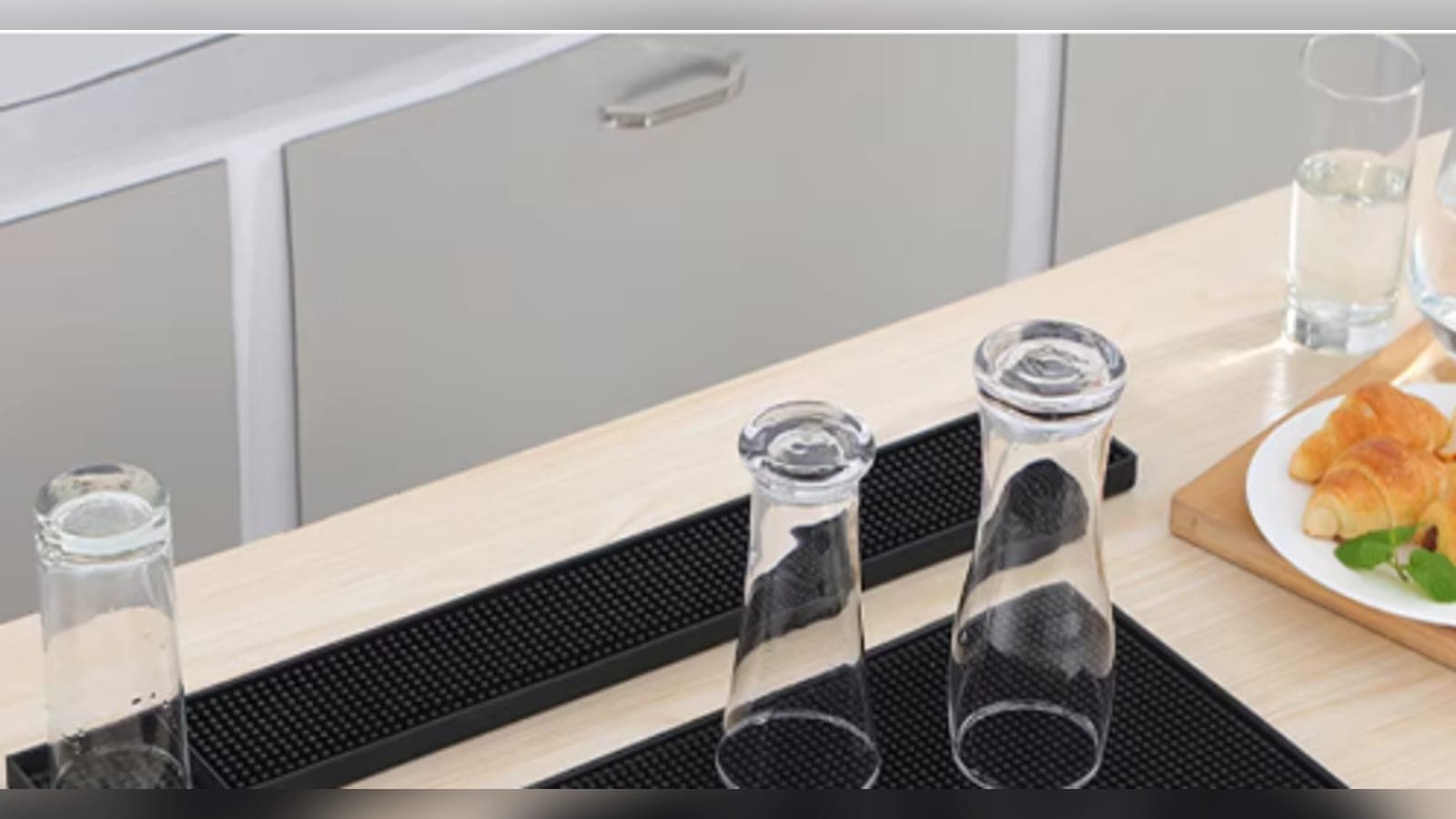
Start with a product-specific care instruction
Bar mat cleaning starts with identifying the mat and obtaining its care instructions. Confirm the face, backing and printed finish, then agree the permitted cleaning method, drying procedure and checks before reuse. Trial the selected product in your actual bar routine before ordering a rollout quantity. Do not assume one instruction covers every mat on the counter.
A purchasing team may approve the logo while the bar team expects to use an existing glass washer. Those are separate approvals. Resolve the cleaning requirement while comparing samples, because a good-looking mat that does not fit the available cleaning process creates work at every shift change. This guide explains the questions and checks to agree; it does not prescribe a universal detergent, temperature or wash cycle.
Make a care matrix for the mats you buy
| Item to confirm | Why it changes the routine | Evidence to keep |
|---|---|---|
| Face and backing | Identifies the selected construction | Product reference and sample |
| Cleaning method | Determines equipment and handling | Written care instruction |
| Cleaning products | Defines the approved process | Confirmed product and dilution guidance |
| Drying and storage | Determines the turnover arrangement | Supplier instruction and branch plan |
| Reuse check | Separates cleaning from condition approval | Staff checklist and issue record |
Compare the bar-mat formats available for a drinks counter against that same matrix. The knowledge base describes bar mats as spill-catching and branding products; it does not establish that every construction has the same cleaning compatibility. Record the actual model reference, rather than a broad “rubber mat” label that could refer to different products.
Confirm the method before using existing equipment
Ask directly whether the proposed mat can be cleaned using the equipment and chemicals already used at the venue. Give the supplier the process details and request instructions for that product. If compatibility is not confirmed, keep the sample trial separate from the live service routine until an acceptable method is agreed. Do not infer approval from a different supplier’s website or a similar-looking sample.
Keep the cleaning decision separate from the material comparison in the rubber, PVC and sublimation format guide. A product-family name helps begin the discussion, but the specific face, backing and finish govern what must be checked. Likewise, a branded mat should not acquire a food-contact or sanitation claim simply because it sits beside glassware. Ask for evidence when your intended use requires a particular claim.
Trial cleaning, drying and return to service together
Trial the complete agreed routine on a sample before bulk approval. Record the product reference, method followed and condition before and after the trial. Check the print, perimeter, backing and how the mat sits on the intended counter. Ask the staff member who will actually do the task to follow the instruction, so missing steps become visible during sampling rather than after delivery.
A planning example: a venue has a confirmed hand-cleaning method but nowhere to leave mats during the instructed drying period. The unresolved item is the operating arrangement, not the logo. Agree storage and spare stock before rollout. This is a decision example, not a claimed customer test. Keep the result with the mat sampling and proof approval file so a later artwork change is not mistaken for a new care approval.
Give each shift a reuse check and an issue route
Before returning a cleaned mat to service, use the supplier’s instruction to confirm that preparation is complete and inspect the physical condition. Keep a mat with unresolved edge, print or backing changes out of the normal rotation until it has been assessed. Record what changed and the procedure followed instead of guessing whether staff, chemicals or the product caused it.
Assign responsibility for removing a mat, identifying its replacement and contacting the supplier. A photo is more useful when linked to the product reference and care record. For temporary bars, include this check in the event bar-mat handover plan. Pack the agreed care instruction with the equipment rather than relying on whoever worked the previous event to explain the process verbally.
Include the care requirement in your enquiry
Send the intended counter use, mat dimensions, artwork, quantities and venue cleaning process. Ask for the selected construction, written care instructions, suitable cleaning products, drying method and any restrictions that affect daily operation. Confirm who approves the sample, who trains the branch team and how replacement stock will be identified. Availability, MOQ and lead time remain order-specific questions.
For a promotional programme, approve the process with the venue as well as the brand owner. The bar-mat purchasing brief can cover the initial range; retain the care record beside it. When a repeat order changes material or construction, request confirmation that the old instruction still applies. A repeated logo is not evidence that the physical product is unchanged.
This article is general industry guidance. For advice on a specific project, contact our team.
Related products